
Tidy Up History Artifacts, Fossils & Labels
Turn chaotic piles into correctly identified exhibits visitors would actually trust.
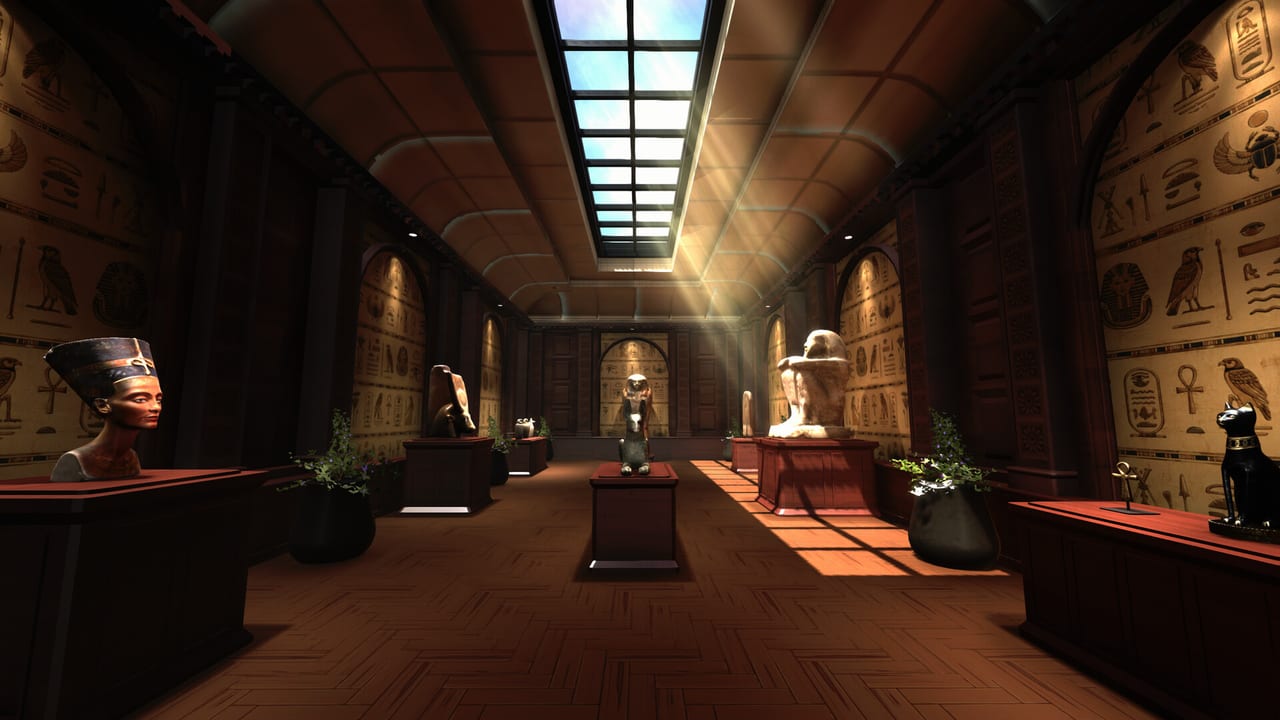
Hundreds of misplaced pieces fill Casual Human’s Tidy Up History museum. Your job is not only to pick them up — it is to identify them and seat them where history says they belong. Artifacts, fossils, and museum props become a coherent story only when labels and locations agree. This guide covers placement discipline, identification dependency on knowledge, and how to avoid the classic cozy-sim trap of “it fit in the slot so it must be right.”
What counts as an artifact problem
You will handle several object classes:
- Cultural artifacts — tools, art, ritual objects, daily life pieces tied to human-history halls (Stone Age through Indigenous North America and everything between).
- Fossils and skeletal parts — prehistoric material destined for dinosaur and non-dinosaurian natural history displays.
- Support props — stands, secondary pieces, and exhibit dressing that still want correct homes.
Fossils that assemble into mounts have their own deep dive in Dinosaur Skeletons. This page owns general placement and labeling logic for the whole collection.
Identification before insistence
Mystery objects exist on purpose. The game asks you to learn so you can determine where pieces belong. If you do not recognize an item:
- Check whether you have unread Knowledge Books or study materials nearby.
- Compare visual motifs with labeled neighbors in the same wing.
- Avoid forcing the piece onto the first empty pedestal you see.
- Stage unknowns in a tidy holding area rather than scattering “temporary” wrong placements across three rooms.
Wrong-era mix-ups (an Egyptian piece lingering in Medieval Europe, a Chinese artifact parked in Mesopotamia) create long-term confusion and slow Curator-style completion. Knowledgeable progress comes from studying first.
Placement technique
Good hands matter as much as good knowledge:
- Clear dirt and clutter from the target display — Cleaning and Repairs.
- Stop moving; face the mount; use steady look sensitivity — Controls.
- Confirm the prompt targets the display, not a nearby prop.
- Place, then read the label or feedback state.
- If the game rejects the seat or the label still looks wrong, remove and rethink — do not spam.
Batch similar items. If you are holding three Mesopotamian pieces, finish that alcove before context-switching to Mesoamerica. Batching reduces walking and mental reload.
Reading the room as a catalog
Each hall is a thesis. Prehistoric rooms (Cerapoda, Theropods, Ornithopods & Thyreophorans, Non-Dinosaurian) want biological coherence. Human halls want cultural coherence: Ancient Egypt should not absorb random Medieval Europe plate armor just because a plinth was empty. Use Museum Rooms as your map of themes so misplaced pieces have an obvious “home wing” hypothesis.
When two halls share a corridor, stage pieces near the correct door before seating. That habit alone prevents a surprising amount of cross-contamination.
Labels as the contract with visitors
A placed object without correct identification is only half done. Think like a curator writing wall text:
- Did knowledge unlock the proper name or category?
- Does the label match the wing’s theme?
- Are companion pieces in the same case era-consistent?
Achievements such as Curator, Archivist, and Knowledgeable reward this mindset. Master Cleaner cares about dirt; Curator cares that the story on the pedestal is true. Track both via Achievements.
Fossils vs cultural artifacts
Do not treat bones like pottery. Fossils often belong to multi-part assemblies. If you find a single bone:
- Prefer returning it to the correct prehistoric hall over stuffing it in a random history case.
- Check whether a skeleton mount is waiting for that part.
- Keep sets together when carrying capacity and abilities allow — Abilities and XP.
Cultural artifacts usually seat as complete objects on pedestals or in cases. Fossils may need several correct seats before the exhibit “resolves.”
Workflow for a messy exhibit island
- Clean the island and repair broken case elements.
- Remove everything that is obviously wrong-era; stage it near the right wing if known.
- Seat obvious correct pieces.
- Study any knowledge sources tied to remaining mysteries.
- Place newly identified objects.
- Final label pass: read every tag on the island.
- Sweep the floor once more for tiny pieces you dropped while sorting.
This workflow scales from a single case to an entire Ancient Greece/Rome gallery.
When you feel stuck on a piece
Stuck usually means missing knowledge or missing the right room unlock. Do not invent coordinates — invent process:
- Finish cleaning the current wing; keys often appear through exploration — Keys and Wings.
- Revisit bookshelves and study props you walked past while sprinting.
- Compare silhouette and material with completed exhibits.
- Park the object and unlock a new wing only if the current hall is otherwise healthy.
The Walkthrough helps you time wing opens so artifact backlogs do not explode.
Quality bar for “exhibit complete”
An exhibit island is complete when:
- Surfaces are clean and fixtures repaired.
- Every seat that should be filled is filled with the correct object.
- Labels reflect unlocked knowledge.
- No foreign-era strays remain “just for now.”
- Related fossils are either mounted or intentionally queued for skeleton work.
Hit that bar room by room and the grand opening stops being a joke — it becomes a checklist you are genuinely closing.
Common mistakes
- Empty-slot filling without identification.
- Leaving wrong pieces as placeholders for hours of play.
- Mixing fossil parts into cultural cases.
- Ignoring label feedback after a “successful” place click.
- Carrying a mystery tour across the whole museum instead of staging locally.
Curate patiently. Tidy Up History is single-player and untimed; accuracy beats speed runs unless you are specifically racing for personal fun.
Frequently Asked Questions
Quick answers to the most common questions.
What if I do not know where an artifact belongs?
Study available materials in Knowledge Books, compare nearby labeled exhibits, and stage the piece instead of forcing a wrong pedestal.
Are fossils handled like normal artifacts?
Not always — many feed multi-part mounts. Use Dinosaur Skeletons for assembly-specific advice.
Which achievements care about correct placement?
Curator, Archivist, Knowledgeable, and room completion unlocks — see Achievements for the full 25-achievement framing.
Should I clean before labeling?
Yes. Clean and repair the display first with Cleaning and Repairs, then place and verify labels.
How do I avoid mixing eras?
Learn each hall’s theme in Museum Rooms and stage out-of-place pieces near their correct wing door before seating.